

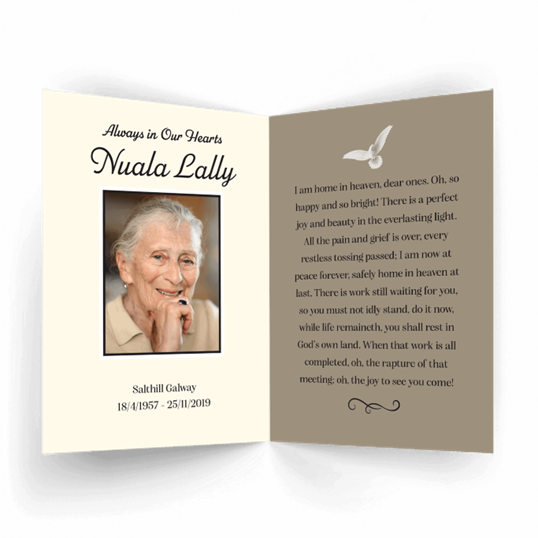
Why Acknowledgment Cards Matter in Modern Communication
There is something quietly powerful about receiving a card in the post. Not a notification. Not a reply. An actual card, held in someone’s hands, written with thought. In a world of instant messages and disappearing stories, that small act carries real weight.
And yet, many people underestimate just how much acknowledgment cards do. They are not simply a formality. They are a bridge between grief and gratitude, between a moment that passed and the people who showed up for it.
What Are Acknowledgment Cards, really?
At their core, acknowledgment cards are a written expression of thanks. Families send them after a funeral or memorial service to thank those who offered sympathy, flowers, Mass cards, or simply their presence.
But here is what most people miss: they are also a record. A quiet, lasting one. The person who receives your card keeps it. Sometimes for years.
That is nothing.
Why Printed Cards Still Outperform a Text Message
A WhatsApp message is convenient. Nobody is arguing against that. But convenience is not the same as meaning.
When a family is navigating loss, the effort behind a printed thank you card speaks volumes. It says:
• We noticed you were there
• Your kindness was not overlooked
• This moment mattered to us
That is hard to replicate in a typed message. The texture of cardstock, a name written personally, a verse chosen with care. These details are felt even before the card is read.
The Real Role of Thank You Cards After a Funeral
Thank you cards serve a specific emotional function that people rarely talk about openly.
Sending them is also part of grieving. It gives families a gentle structure in the days after a funeral. A task. Something meaningful to do with their hands and their thoughts. It helps close a chapter, carefully and with dignity.
Here is what a well-designed acknowledgment card typically includes:
• A sincere opening line of thanks
• A personal mention of what the recipient did (attended, donated, sent flowers)
• A short verse, prayer, or reflection
• A closing that is warm but not overly sentimental
Getting this balance right matters. Too formal, and it feels cold. Too casual, and it misses the weight of the moment.
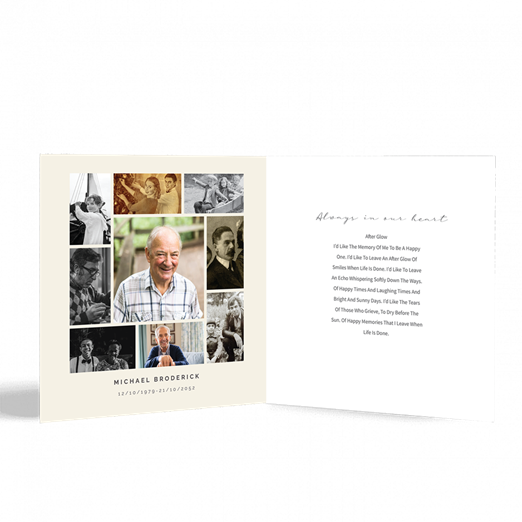
Modern Design Does Not Mean Losing Tradition
One thing that has genuinely changed is design. Families today want cards that reflect the person they lost, not a generic template from a stationery shelf.
Eternal Memorial Cards, based in Sandyford, Dublin, offers fully bespoke acknowledgment cards designed around your loved one’s personality, faith, and story. Verses in Irish are available. Photo enhancement is included. Multiple proof revisions are part of the process.
That level of care is not standard. But it should be.
What modern families look for in acknowledgment cards:
• Clean, contemporary layouts alongside traditional styles
• Personalized verses or prayers (including in the Irish language)
• High-quality printing that lasts
• A design that matches the memorial cards already sent
When the acknowledgment card echoes the design of the memorial card, the whole tribute feels considered. Complete.
A Few Practical Tips for Sending Acknowledgment Cards
If this is your first time organizing them, the process does not need to feel overwhelming.
• Start early. Aim to send cards within two to four weeks of the funeral.
• Keep a list. Note names and addresses of those who sent flowers, donations, or attended.
• Choose quality. The card itself reflects the care behind it.
• Do not overthink the words. A simple, heartfelt message is always enough.
• Include everyone. Neighbors, colleagues, distant relatives. Nobody should feel forgotten.
Rare, Thoughtful, and Worth Every Effort
Acknowledgment cards and thank you cards are small. Physically, yes. But their impact is not. They arrive at a quiet moment in someone’s day and remind them that their kindness was seen.
In an age where everything moves fast and most things are forgotten, that kind of acknowledgment is rare. And rare things are worth doing well.